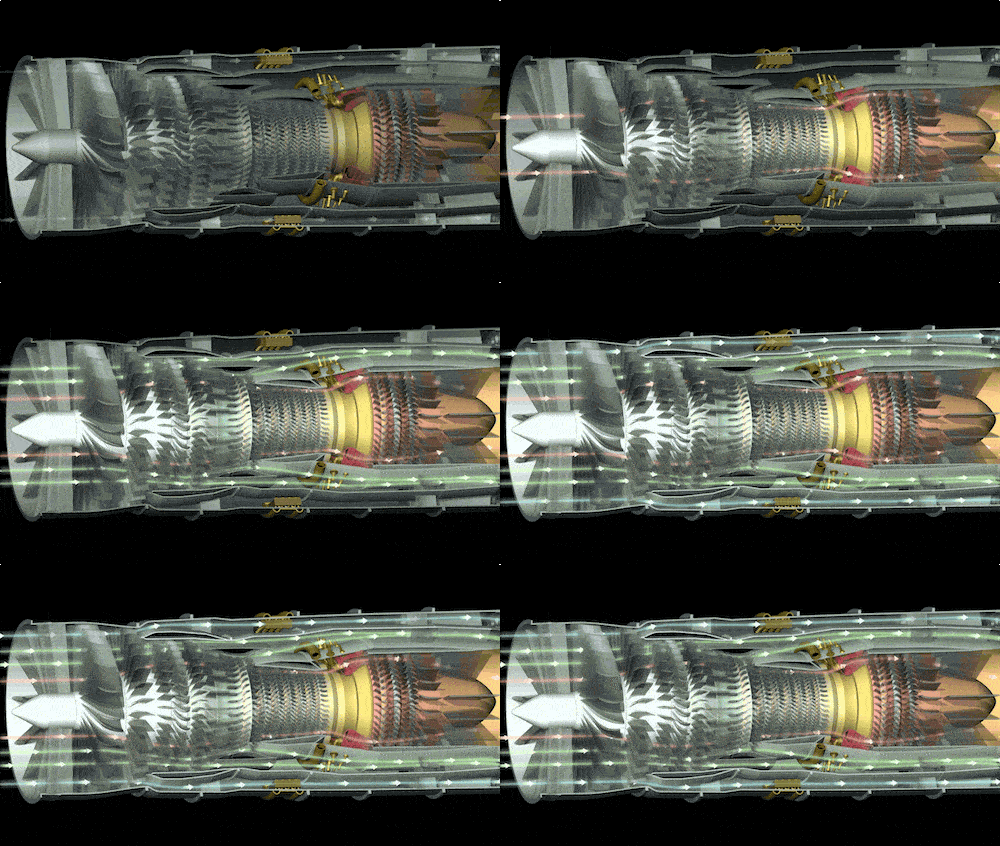

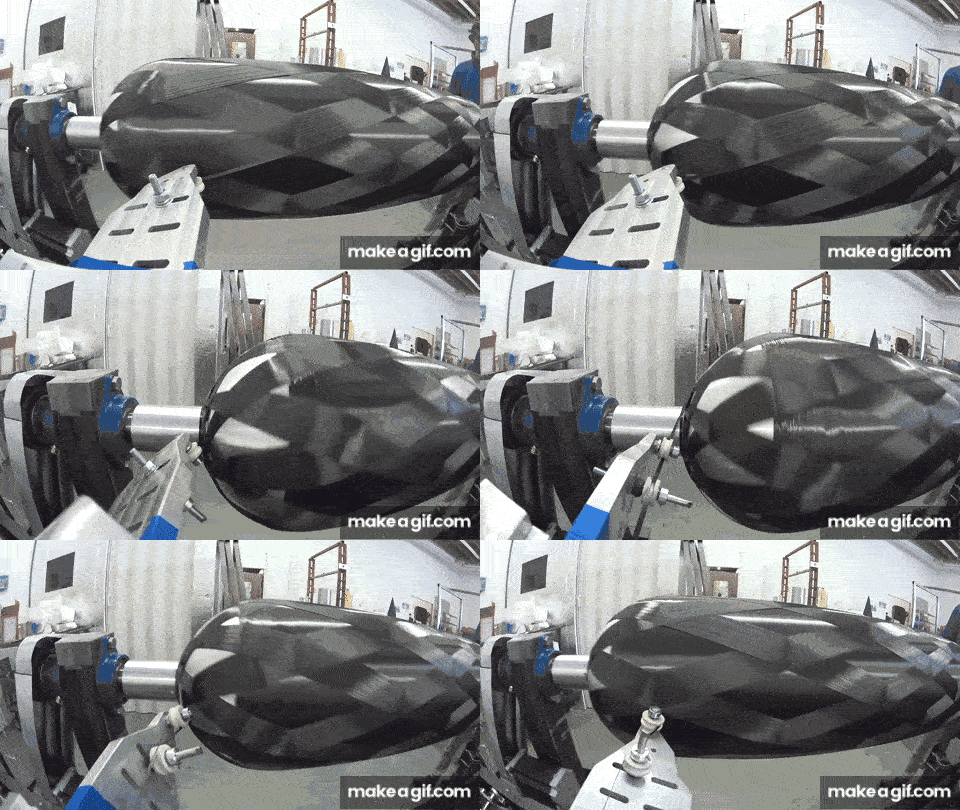

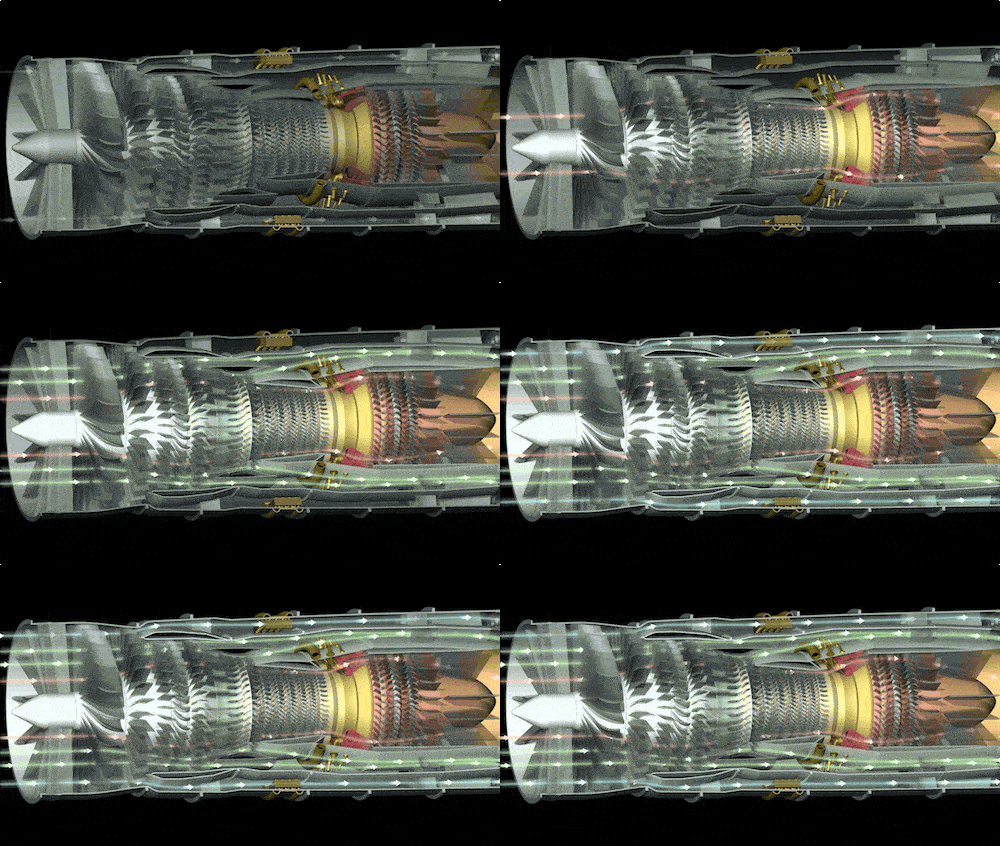

Manufacturing Techniques – Combat Jet Engine Components
Precision manufacturing of combat-grade jet engines involves a mix of near-net forging, advanced machining, and additive methods — optimized for component-specific performance under extreme conditions. Below is an overview of key techniques and the specialized equipment used.
🔧 Turbine Blades
• Directional Solidification & Single Crystal Casting
Used to eliminate grain boundaries, improving creep resistance and mechanical performance at high temperatures typical of turbine environments.
• Near-Isothermal Forging
A precision forging method where both die and workpiece are maintained at nearly the same temperature, minimizing thermal gradients and material flow resistance.
• Additive Manufacturing
Layer-by-layer metal deposition to fabricate intricate blade geometries and cooling passages with minimal material waste.
🔧 Compressor Discs
• Precision Forging
Hot forging process ensuring grain continuity and dimensional accuracy under controlled deformation for disc geometries.
• 5-Axis Machining
High-precision multi-directional milling used for complex 3D contours and undercuts in compressor components.
🔧 Combustor Liners
• Sheet Metal Forming
Forming of high-temperature alloys into complex combustor shapes using hydraulic or hydroforming processes.
• Laser Welding & Brazing
Joining method using high-energy laser beams or filler alloys to join thin-walled combustor parts with high accuracy.
🔧 Shafts & Rotors
• High-Speed Precision Turning
Lathe-based operations used for creating concentric, balanced rotating shafts with tight tolerances.
• Electron Beam Welding
Vacuum-based welding process ideal for joining rotating components with deep, narrow fusion zones and minimal distortion.